Understanding Mold Detection Costs
Understanding the factors that influence the cost of mold detection is essential for property owners and managers. This page provides a detailed overview of the key elements affecting pricing, typical service costs, and specific considerations within mold detection procedures.
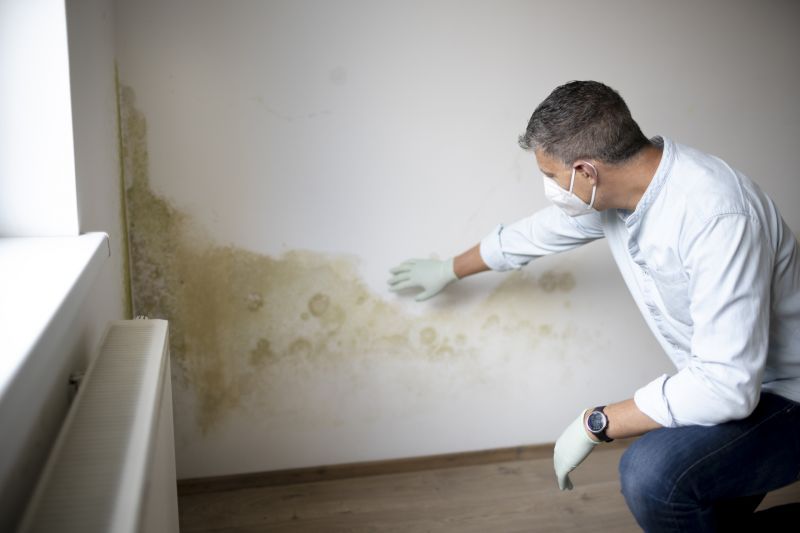
Larger areas require more extensive testing, increasing overall costs due to additional sampling and analysis.
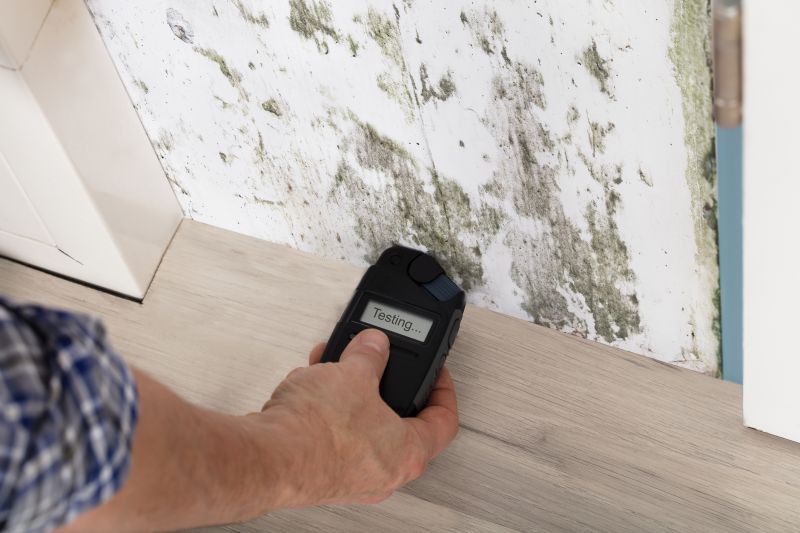
Certain mold species demand specialized testing, which can elevate detection expenses.
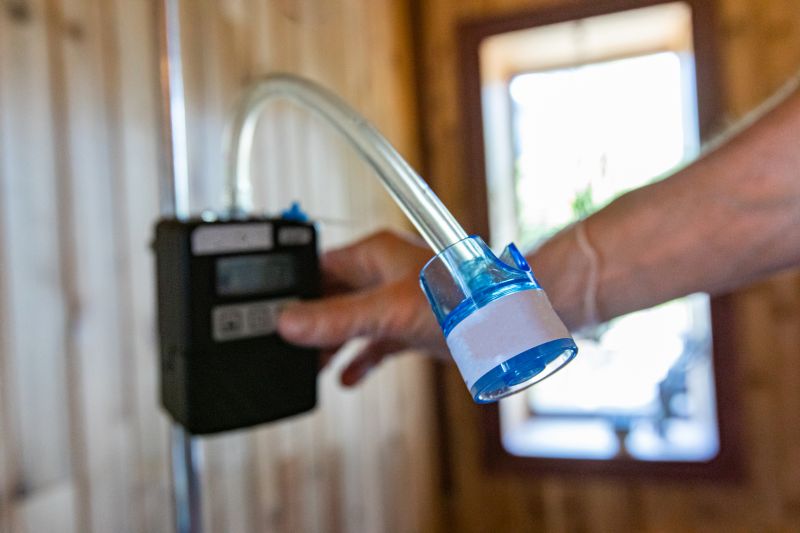
Difficult-to-reach locations may require additional equipment or effort, impacting pricing.
| Factor | Impact on Cost |
|---|---|
| Property Size | Larger properties typically incur higher detection costs. |
| Extent of Contamination | More extensive mold presence increases sampling and analysis. |
| Type of Testing Method | Advanced methods like air and surface sampling may cost more. |
| Number of Samples | More samples taken lead to higher laboratory analysis fees. |
| Location Accessibility | Hard-to-access areas can add to labor and equipment costs. |
| Urgency of Service | Expedited testing services tend to be priced higher. |
| Property Type | Commercial properties may involve more complex procedures and costs. |
| Labor Costs | Regional labor rates influence overall service pricing. |
The cost of mold detection services varies depending on several factors, including the size of the property, the extent of suspected contamination, and the complexity of the testing methods used. Typically, a standard mold inspection can range from a few hundred to over a thousand dollars. Larger properties or those requiring comprehensive testing tend to incur higher fees due to increased sampling, analysis, and labor. Urgent or expedited services are also priced higher, reflecting the priority and resources needed to deliver faster results. Understanding these variables helps property owners and managers budget effectively for mold detection and ensures appropriate measures are taken to address potential issues.
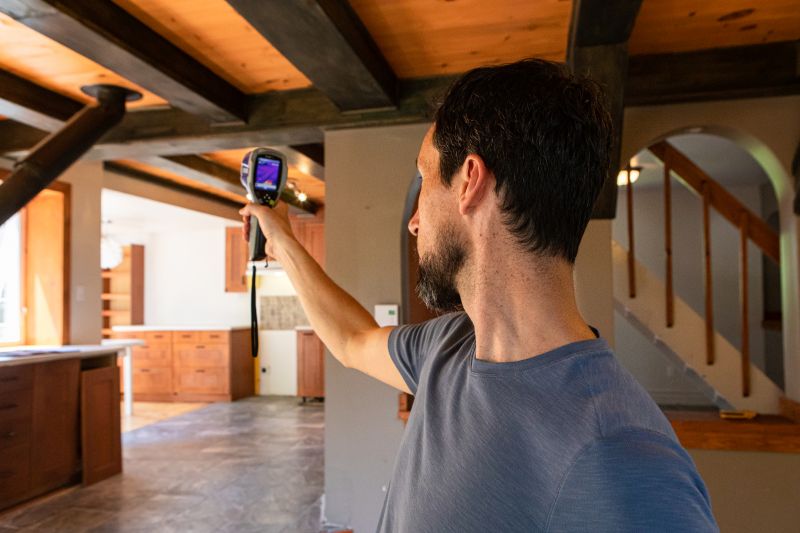
Utilizing specialized devices for air testing can add to detection costs but provides detailed mold presence data.
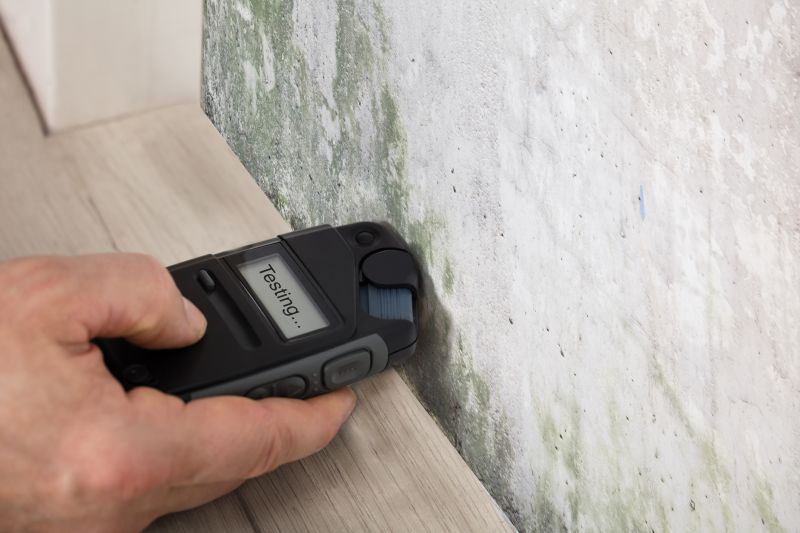
Surface sampling involves collecting samples from suspected areas, influencing overall service pricing.
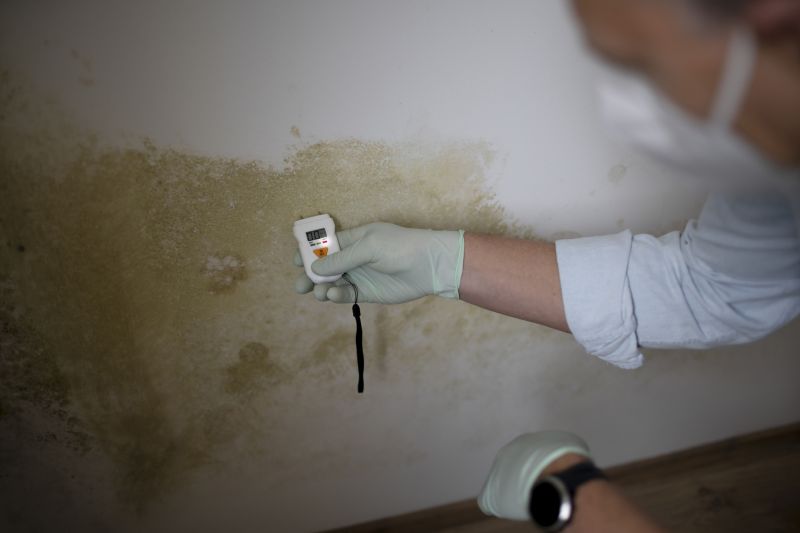
Laboratory testing fees vary based on sample complexity and the number of samples processed.
| Related Service | Average Cost |
|---|---|
| Visual Inspection | $150 - $400 |
| Air Quality Testing | $200 - $600 |
| Surface Sampling | $250 - $700 |
| Laboratory Analysis | $100 - $300 per sample |
| Moisture Mapping | $300 - $800 |
| HVAC Mold Inspection | $400 - $900 |
| Post-Remediation Testing | $200 - $600 |
| Comprehensive Mold Assessment | $500 - $1,500 |
| Indoor Air Quality Consultation | $150 - $500 |
| Property Mold Management Plan | $1,000 - $3,000 |