Mold Restoration in Essex County, NJ
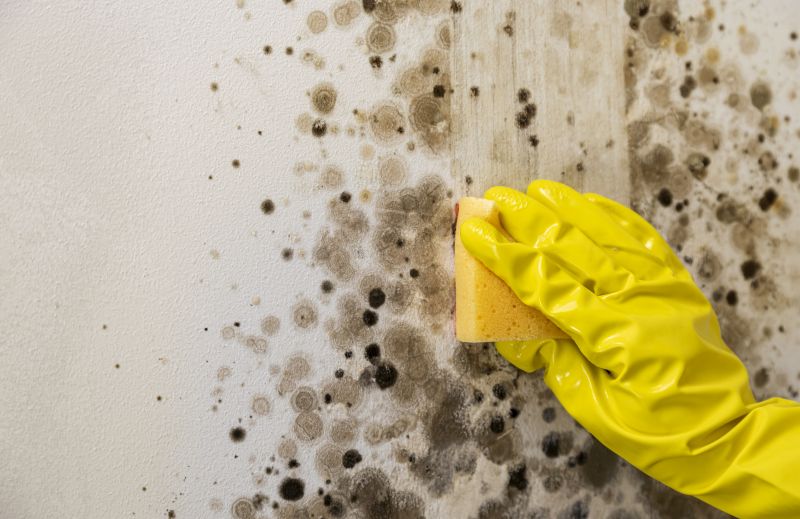
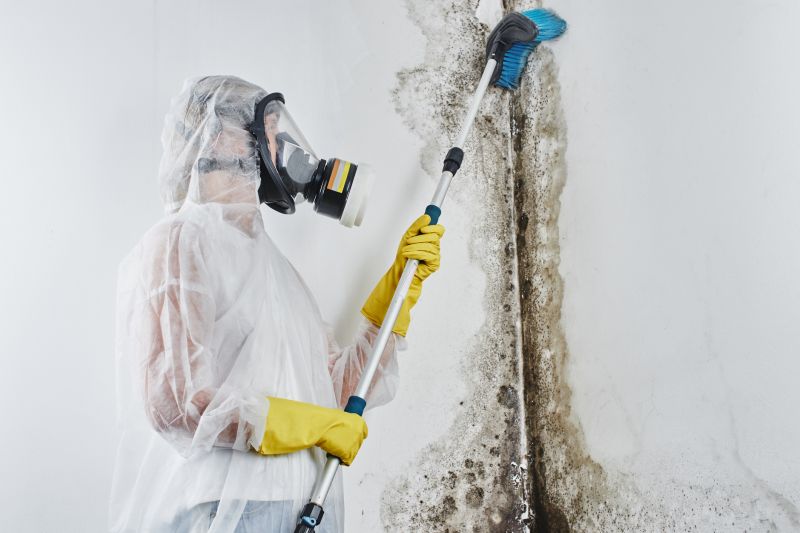
Mold restoration services involve the removal and remediation of mold growth within residential properties. This process typically addresses issues such as visible mold on walls, ceilings, or other surfaces, as well as hidden mold behind walls or within HVAC systems. Projects can range from small areas affected by water damage to extensive mold infestations that compromise indoor air quality. Property owners usually want to understand the scope of mold removal, the methods used to eliminate mold safely, and steps to prevent future growth after remediation.
Before requesting mold restoration, homeowners should consider the extent of the mold problem, whether it is caused by ongoing moisture issues, and if there has been recent water damage or leaks. It is also important to identify the types of surfaces affected and any visible health symptoms among occupants. Proper assessment helps determine the most effective approach for mold removal and ensures that the property is restored to a safe and healthy condition.
Many property owners in Essex County, NJ look into Mold Restoration for repairs, replacements, upgrades, and appearance-related improvements.
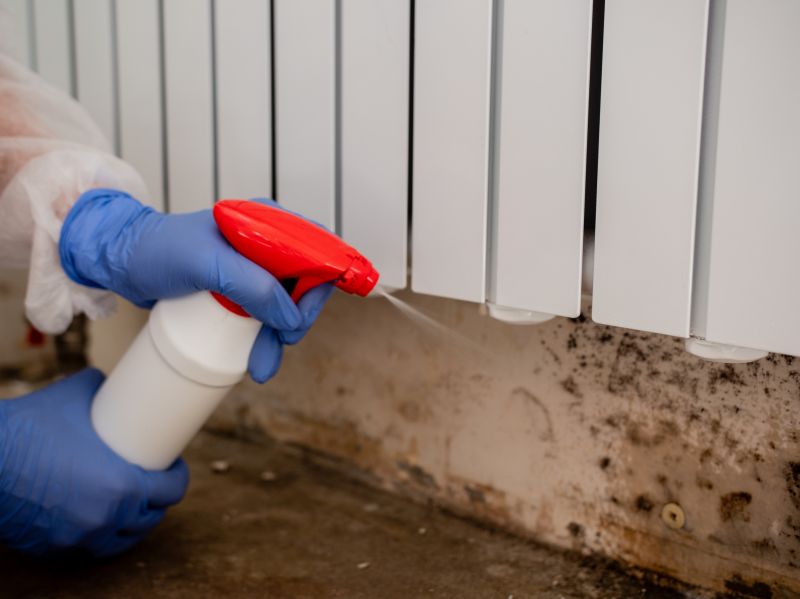
Mold Restoration Services
Examples of mold restoration work property owners may explore in essex county, nj.
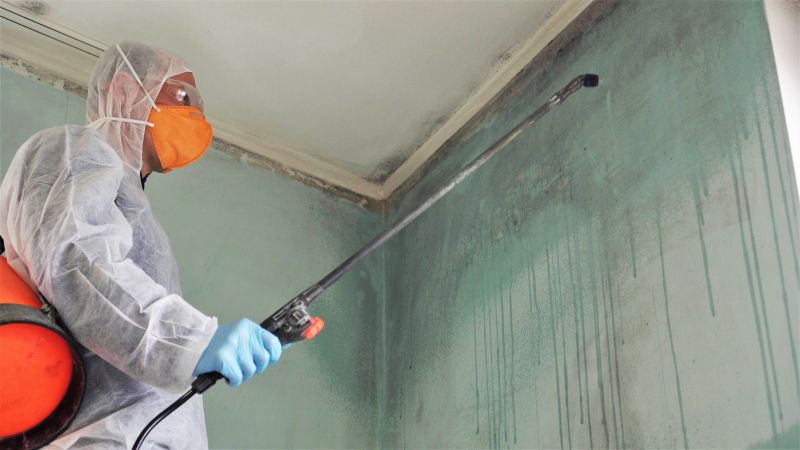
Mold Restoration Updates
Common ways people refresh, improve, or restore mold restoration features in essex county, nj.
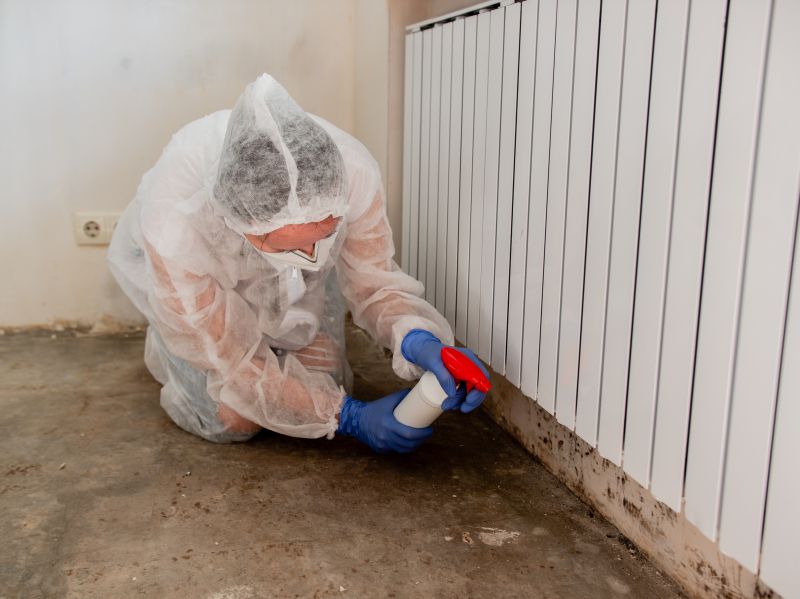
Mold Restoration Options
Different styles, layouts, and finishes people consider for mold restoration in essex county, nj.
Mold Restoration in Essex County, NJ
Mold restoration services involve the removal and remediation of mold growth within residential properties. This process typically addresses issues such as visible mold on walls, ceilings, or other surfaces, as well as hidden mold behind walls or within HVAC systems. Projects can range from small areas affected by water damage to extensive mold infestations that compromise indoor air quality. Property owners usually want to understand the scope of mold removal, the methods used to eliminate mold safely, and steps to prevent future growth after remediation.
Before requesting mold restoration, homeowners should consider the extent of the mold problem, whether it is caused by ongoing moisture issues, and if there has been recent water damage or leaks. It is also important to identify the types of surfaces affected and any visible health symptoms among occupants. Proper assessment helps determine the most effective approach for mold removal and ensures that the property is restored to a safe and healthy condition.
Many property owners in Essex County, NJ look into Mold Restoration for repairs, replacements, upgrades, and appearance-related improvements.
Common Mold Restoration Jobs
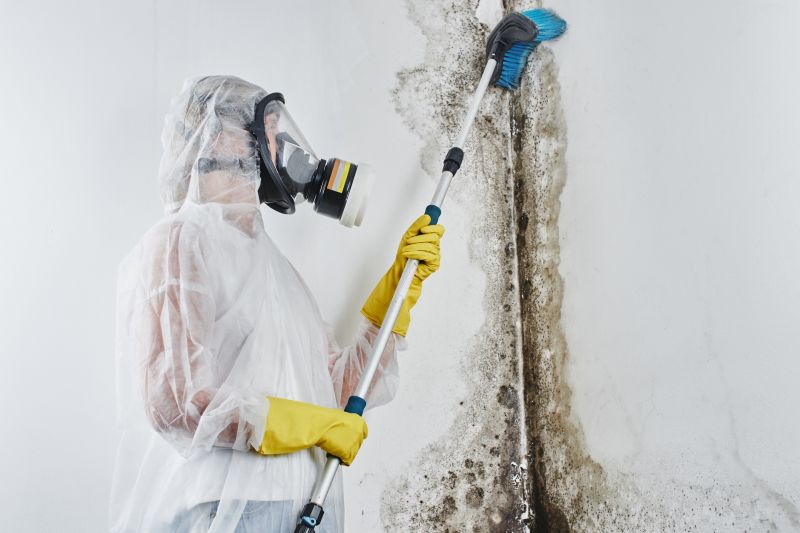
Mold remediation - removal of mold growth from affected areas to improve indoor air quality.
Water damage mold cleanup - addressing mold issues caused by leaks, flooding, or moisture intrusion.
Basement mold restoration - treating and restoring mold-infested basement spaces to prevent structural damage.
HVAC mold treatment - cleaning and disinfecting air ducts to eliminate mold spores and improve airflow.
Attic mold removal - removing mold from attic spaces caused by poor ventilation or roof leaks.
Post-restoration mold prevention - implementing measures to inhibit future mold growth after cleanup.
Mold Restoration Questions
What causes mold to grow indoors? Mold can develop due to excess moisture from leaks, high humidity, or poor ventilation inside a property.
How can I tell if I have mold in my home? Signs include visible growth, musty odors, or increased allergy symptoms among occupants.
What areas are most at risk for mold growth? Common spots include bathrooms, basements, around windows, and areas with water damage or leaks.
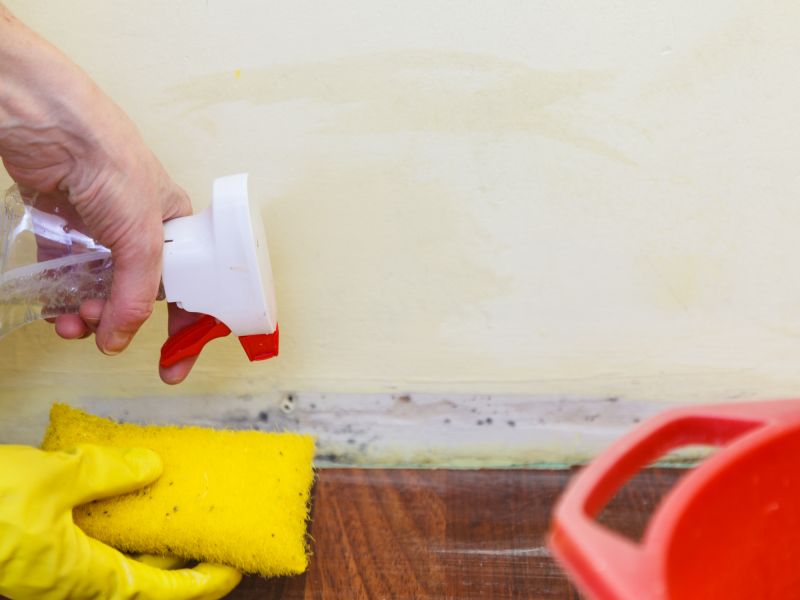
What is involved in mold restoration? The process typically includes removing affected materials, cleaning surfaces, and addressing moisture sources to prevent future growth.
Request Mold Restoration in Essex County, NJ
Use the quote form on this page to share the basics of your project and request more information for the type of work you need.